Interactive terminal
Stream responses, steer a running task and review tool approvals from the terminal. The short command is ww.
Local agent engine · Rust
WerkWorker turns model responses into actions in your workspace. An interactive terminal and an embeddable Rust SDK share the same agent engine, with explicit permissions and persistent sessions.

$ ww tui --demo "Hello"Offline demo · a first look at the terminal
WerkWorker + Werk1112
Werk1112 handles inference and model runtimes. WerkWorker handles the conversation, tools and the lifecycle of a task.
Stream responses, steer a running task and review tool approvals from the terminal. The short command is ww.
Resource grants and prepared-action approvals control access. File and process isolation currently requires Linux.
SQLite-backed sessions record events and support follow-ups, cancellation and recovery. Embed the engine through Rust or use the JSONL protocol.
Quick start
Build from the repository with Rust 1.88 or newer. The demo runs offline; connect your Werk server for real model calls.
git clone https://github.com/philipbodenbach/werkWorker.git
cd werkWorker
cargo install --path . --locked
ww tui --demo "Hello"
ww --help
Both ww and werk-worker are installed. The offline demo uses scripted responses, not a live model.
Lab
A small experiment with a result you can play. The full write-up and recording live in Philip Bodenbach’s Lab.
Experiment · October 2026
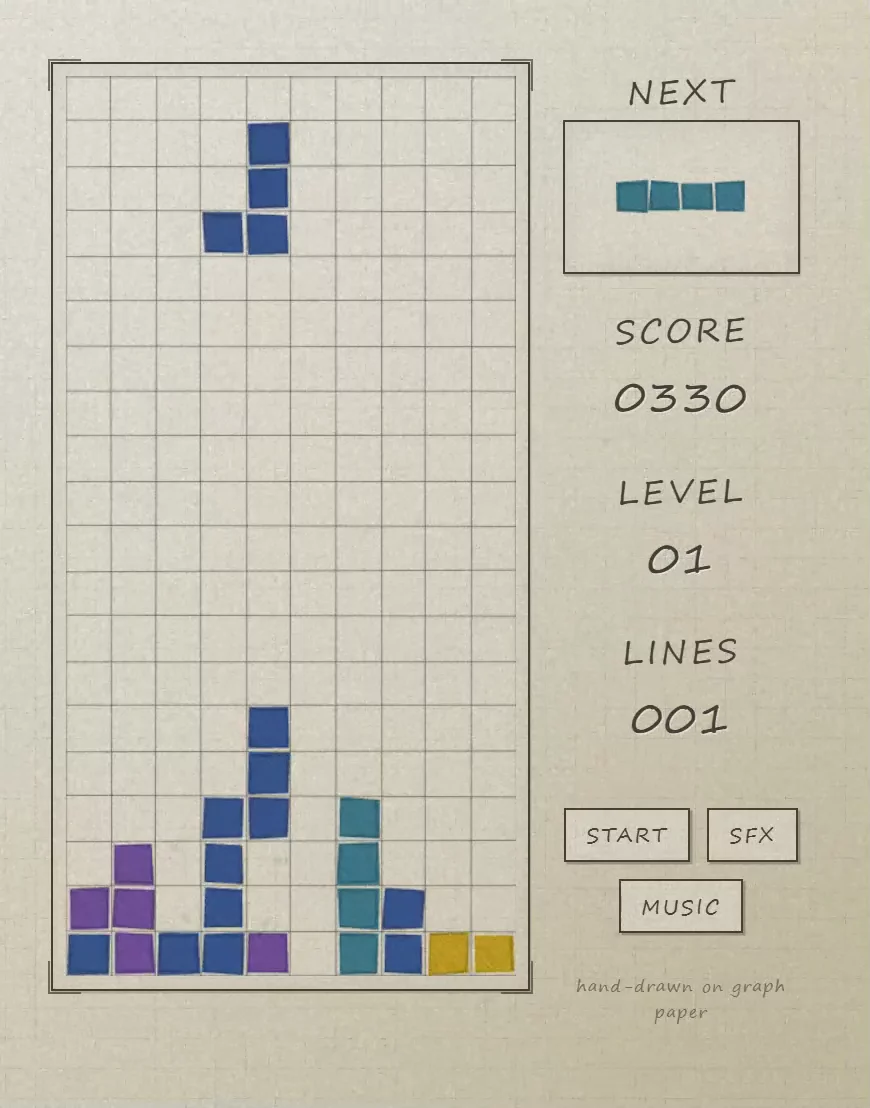
Pencil-hatched blocks, animated film grain and Web Audio. Built with WerkWorker and Werk1112; the original result is a single, self-contained HTML file.
Original output · desktop keyboard controls · no backend required
Documentation
Architecture, interfaces and platform limits, documented alongside the source.